Know Your Food: How Food Production Shapes What We Eat
Are we really comparing apples and apples?
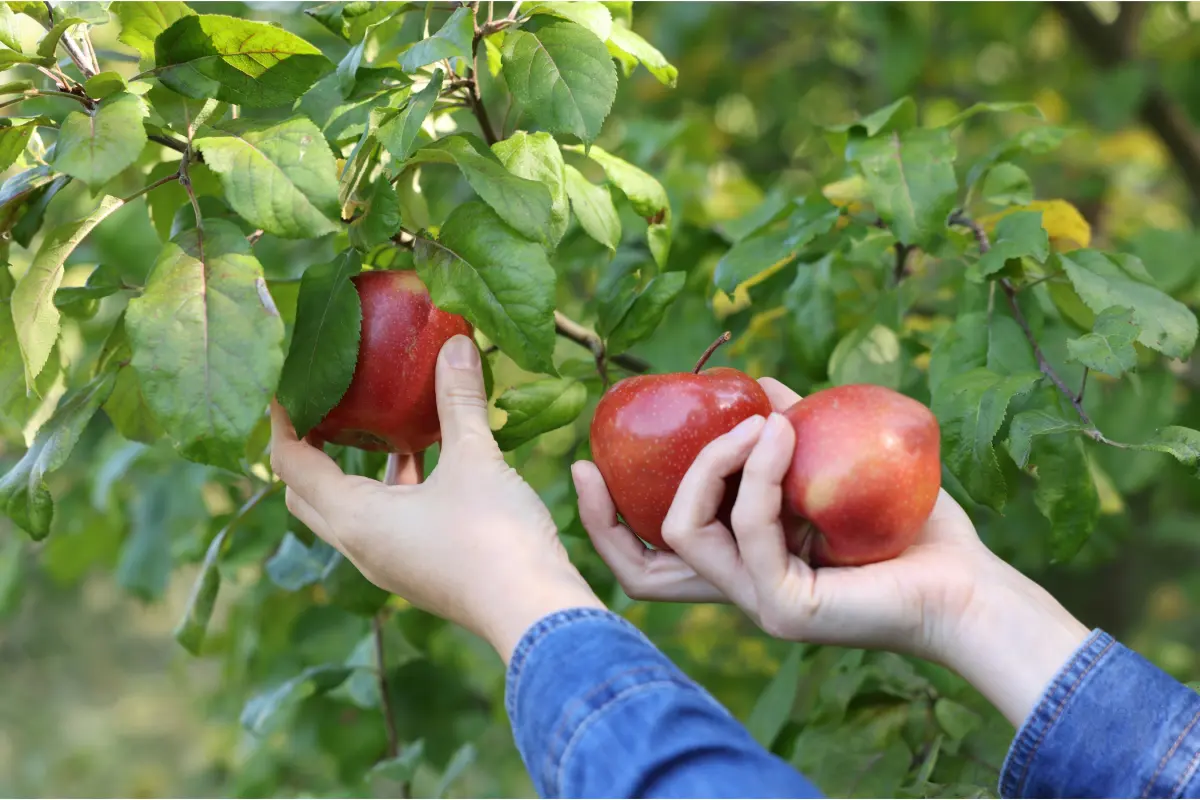
The hidden story behind the healthy foods we eat.
We use the expression comparing apples with apples to mean we're making a fair comparison between two things that are essentially the same.
But when it comes to food, I'm beginning to wonder whether that's always true.
Two apples may look almost identical sitting side by side in a supermarket. They may have a similar nutrition profile and provide the same vitamins, fibre and antioxidants. Yet one may have been freshly harvested nearby, while another may have spent months in controlled-atmosphere storage. They may have been grown under different agricultural systems, treated with different chemicals, travelled very different distances or come from countries operating under different food production regulations.
They're both apples.
But are we really comparing apples with apples?
And the further I've looked into our food supply, the more I've realised this question extends well beyond apples.
Salmon isn't simply salmon. Chicken isn't simply chicken. A punnet of blueberries doesn't tell us the agricultural chemicals used during production or how changing consumption might alter our dietary exposure to permitted residues.
Yet these are precisely the foods many of us deliberately eat more of because we're told they're good for us.
That's where Know Your Food™ began.
Know Your Food follows the evidence from paddock to plate, looking beyond the nutrition panel to understand the story behind the foods we eat.
These articles explore that story through evidence, curiosity and informed questioning.
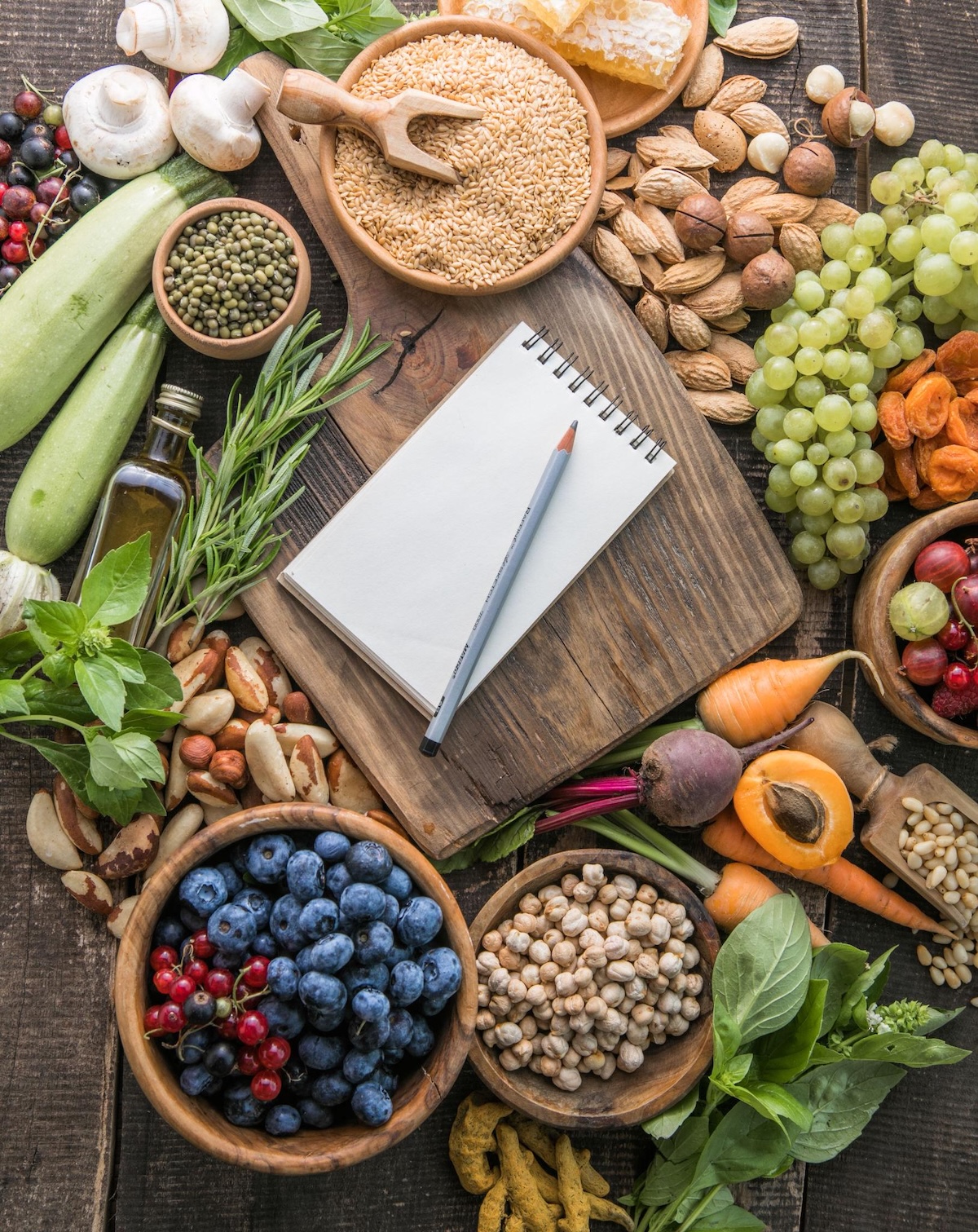
Why I Started Investigating Food Production
Welcome to my rabbit hole!
I'm a naturally inquisitive person and an absolute food nerd. Being in the food industry, I hear all sorts of shocking stories. Some are true, some plausible, others surprise and concern me, but quite a lot are simply scaremongering told by people who want to sell a product.
Regardless, these "facts" always start me thinking and looking for evidence.
This thinking leads to research, and research leads me down a rabbit hole that may take me days to emerge from. Eventually, I start to unravel truth from fiction. Inevitably, I'm better off for the knowledge.
But it has led me to wonder:
What does the average consumer not know about the food they're consuming — particularly the foods they deliberately eat for their health benefits and pay good money for?
The Assumptions We Make About Healthy Food
For many years, I assumed that if we chose foods with the right nutrient profile—fresh produce rich in vitamins, minerals, antioxidants and fibre—we were well on our way to fuelling our bodies in the best possible way.
As a nutritionist, that's exactly how I still approach meal planning. I identify nutrient deficiencies based on each client's food diary and then compare that to the individual's needs. My recommendations form a plan that fills nutritional gaps and gives the client the outcome they desire. I'm not affiliated with food brands, and I don't tell my clients where to shop or what products to buy. My recommendations are always based on the best nutrition evidence available.
But over time, something started to change.
The more I investigated the food system, the more discerning I became about my own food choices. I started to look at the food's story. This is the story of food production.
💡 Know Your Food™
The nutrition panel identifies the nutrients in our food.
The ingredients list tells us what manufacturers added.
Neither tells us the story of that food before it reached the manufacturer's doorstep.
The food production journey is important. What occurs before it appears on our plate can tell us things the nutrition panel simply can't.
That realisation sent me down this rabbit hole.
I began investigating some of the foods we are encouraged to eat more. The so-called superfoods, foods promoted for their specific health benefits, and everyday staples we confidently place in our shopping trolley believing we're making the healthiest possible choice.
Why Know Your Food Investigates Farming and Food Production
As nutritionists, we learn how nutrients support health.
We learn about protein, fibre, vitamins, minerals, healthy fats and antioxidants. We calculate requirements, identify deficiencies and help people build diets that support better health.
That science is incredibly important, and I still have a "food first" philosophy. I strongly believe good food forms the foundation of good nutrition.
But over the years, I've realised there's another part of the story that rarely makes it into the consultation room.
The food production journey our food takes before it reaches our plate.
- How was it grown?
- How was it farmed?
- What did it eat?
- How was it processed?
- How long was it stored?
- Australia regulates agricultural and veterinary chemicals throughout food production. Maximum Residue Limits (MRLs) specify the highest permitted level of a residue in food sold in Australia.
- How do our food regulations work, and have they kept pace with the way Australians eat today?
These aren't questions designed to create fear.
FSANZ confirms this and explains that MRLs apply to domestically produced and imported food. The question may be more: does our country have the same residue tolerances as other developed countries such as the EU?
The APVMA sets limits based on dietary exposure evaluations to ensure the levels don't pose an undue hazard to human health. Does the exposure accurately reflect the current population's dietary habits?
The questions I'm looking into are designed to help us know our food and to create a better understanding.
The more I researched, the more I realised that many of the foods we confidently describe as "healthy" have surprisingly complex stories behind them. Sometimes those stories reinforce why we should eat them. Sometimes they reveal assumptions worth questioning. Often, they remind us that foods sharing the same name and nutrient profile can have very different production systems and journeys to our plate.
This Know Your Food™ series isn't about telling you what to eat.
It's about helping all of us, including me, become more informed consumers.
"My goal isn't to prove a point. My goal is to better understand the story behind our food."
🌱 My Promise to You
The best nutrition advice isn't built on certainty. It's built on a willingness to keep asking better questions.
Every investigation in this series begins with curiosity, not conclusions. I follow the evidence wherever it leads, challenge my own assumptions and update my understanding as new research emerges.
Sometimes the evidence confirms what I thought I knew. Sometimes it completely changes my mind. Either way, I come out of the rabbit hole understanding my food a little better than when I went in. 🐇
If new evidence changes my understanding, I'll update the article—not defend my original opinion.
What Does Know Your Food Investigate?
Know Your Food™ is an evidence-based food investigation series exploring how farming practices, food production, processing, storage, agricultural and veterinary chemicals, food regulation and changing eating habits can influence the foods we eat.
The series looks beyond calories, vitamins, minerals and macronutrients to investigate the journey food takes from paddock to plate, using scientific research, Australian food standards and regulatory evidence wherever possible.
The Australian Government defines food traceability as the ability to follow a product through stages of production, processing and distribution—a reminder that food production and ultimately the food on our plate has a supply-chain history extending well beyond the information we see on its label.
Some of the foods I'm most curious about are also the foods nutrition guidelines encourage us to eat for good health.
I'll be investigating questions around salmon, berries, chicken, protein and other everyday foods, alongside broader issues such as Maximum Residue Limits (MRLs), ultra-processed foods, seed oils and the dietary patterns we commonly associate with good health.
Some investigations may confirm what we already believe. Others may challenge assumptions.
And sometimes the most interesting discovery may simply be how much we still don't know.
➡ Explore all Know Your Food investigations
Let's Connect
I share nutritional information and delicious, healthy recipes on social media. If you would like to connect you can find me here:
🐇 Down the Rabbit Hole
I’ll continue updating these articles as new evidence emerges, even long after I first publish them.
The nutrition panel tells us what is in our food.
Know Your Food™ is about understanding the story behind it.
If you're a researcher, farmer, food scientist, toxicologist, dietitian, regulator or simply someone with credible information to share, I genuinely invite you to contribute.
If I've missed an important study, misunderstood part of a production system or overlooked another perspective, I'd love to know.
Good nutrition isn't about having all the answers.
Sometimes it's about knowing which questions we should be asking.
Recent Posts
- Is Fruit Sugar Bad
- Salted Caramel Bliss Ball Indulgence
- Vitamins and Minerals RDI
- Best Foods To Lower Cholesterol
- Benefits of Fiber in the Diet
Recent Comments
- Julie on Salted Caramel Bliss Ball Indulgence
- Betty on Salted Caramel Bliss Ball Indulgence
- Julie on Best Foods To Lower Cholesterol
- Julie on What does your Cholesterol level Mean Australia
- Kathy Gerrie on What does your Cholesterol level Mean Australia

Thank you for visiting my site
I hope you have enjoyed this article. Please feel free to leave a message or comment below so others know your thoughts.
Julie xx

